Italiano

Clockmaker.it home
Clockmaker.it - the home of antique clocks

Giovanni de Dondi's ASTRARIUM (# 48)
Astrarium in 1/4 scale

Click each photo to see an enlargement

Giovanni de Dondi's Astrarium, 1/4 scale replica no. 48

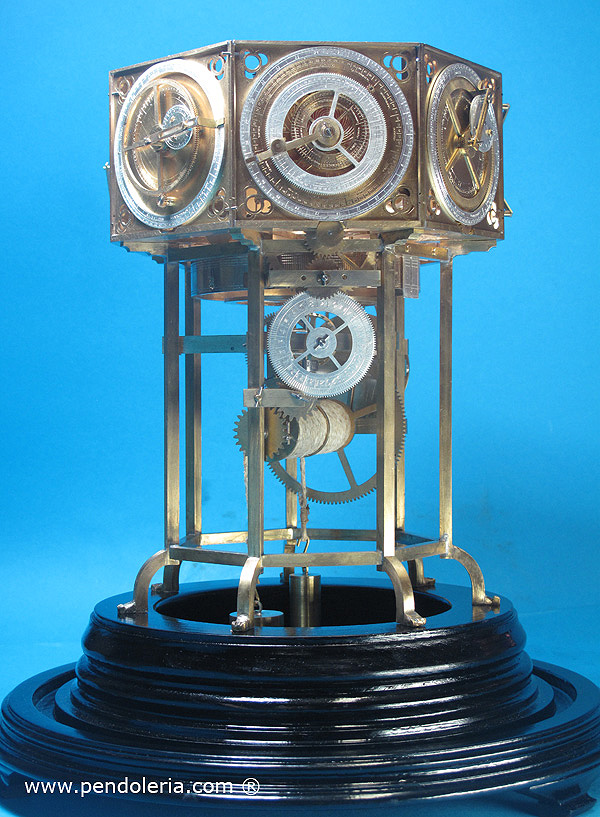
After my experience in building a working 1/2 scale replica of Giovanni de Dondi's Astrarium, I wanted to attempt, and fortunately succeeded (perhaps the first in the world), a 1/4 scale reproduction of the same Astrarium.

Giovanni de Dondi's Astrarium: a masterpiece of the 14th century

The Astrarium (in Italian, Astrario) is an astronomical clock designed and built between 1348 and 1364 by the Paduan physician, astronomer and clockmaker Giovanni de Dondi (1330-1388). This work represents one of the absolute peaks of medieval mechanical engineering and one of the most extraordinary astronomical instruments ever made.

The original Astrarium, sadly lost over the centuries, consisted of seven independent dials showing the movements of the five planets known at the time (Mercury, Venus, Mars, Jupiter and Saturn), plus the Sun and the Moon. Each dial had a specific mechanism that reproduced with surprising accuracy the irregularities of planetary motion according to the Ptolemaic theories of the time.

The complexity of the 1/4 scale replica

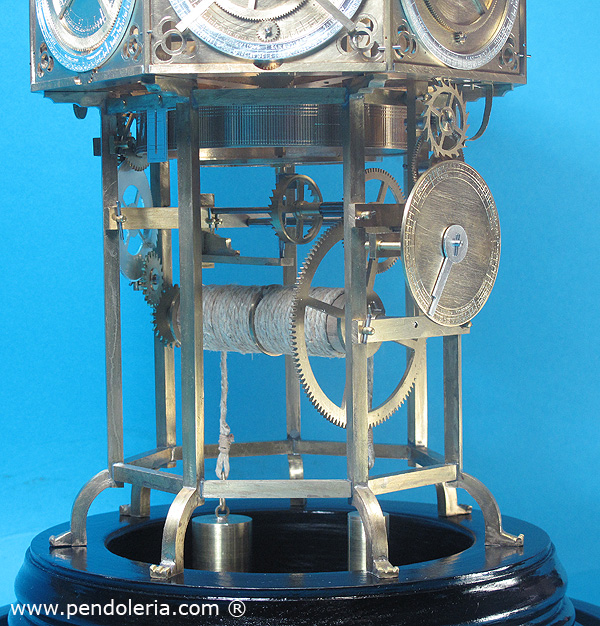
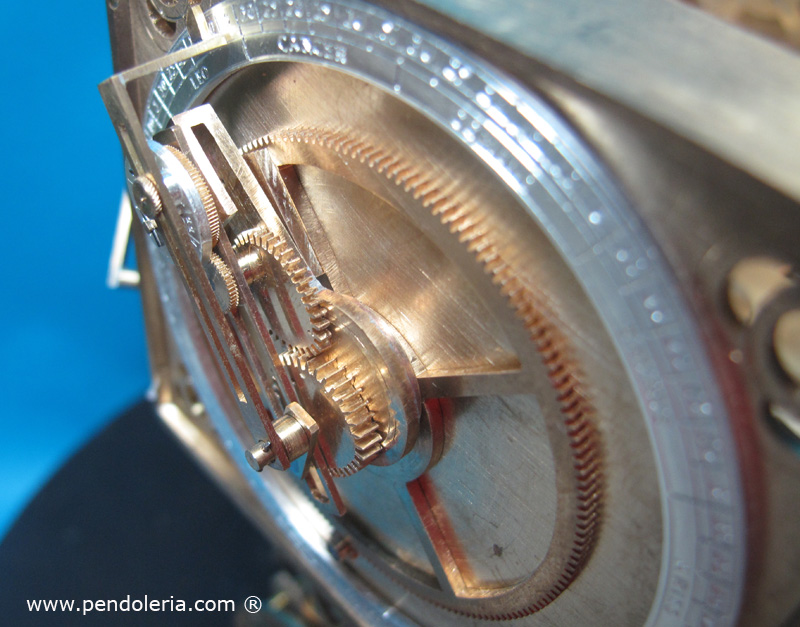
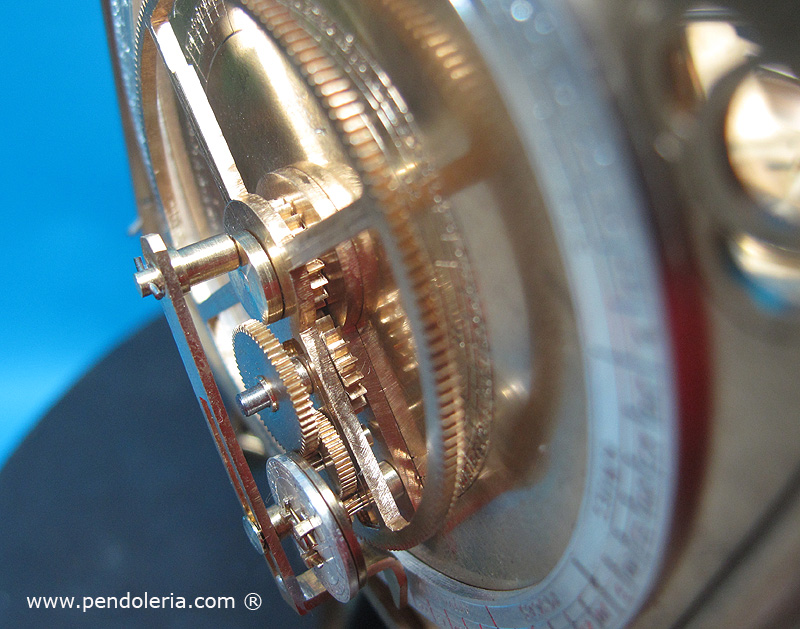
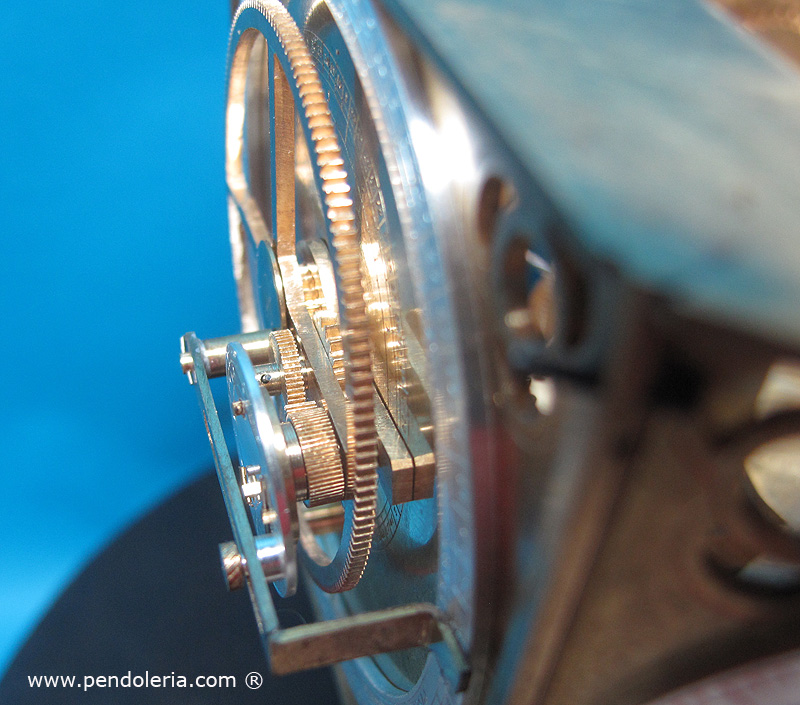
Reducing the Astrarium to a quarter of its original size does not simply mean scaling every component proportionally. It means facing enormous technical challenges: microscopic toothed wheels, pear-shaped gears to simulate elliptical orbits, sawtooth wheels for the perpetual calendar, all made with extreme precision despite the tiny size.

To give an idea of the proportions: comparing the Astrarium with my hand in the photographs, you can appreciate how tiny the components are. Yet every gear must work perfectly, and every wheel must mesh with millimetre precision.

A personal and historical challenge

I share here the photographs and videos of my Astrarium in the hope of arousing interest in this marvellous machine, the fruit of Giovanni de Dondi's ingenuity. Technical details, a short history and some notes on the theory of this instrument can also be found on this page of my site (in Italian).

For those interested in a complete account of the various stages of the construction of my 1/4 scale Astrarium, I documented the whole process with photographs and videos in the pages of my forum (in Italian).
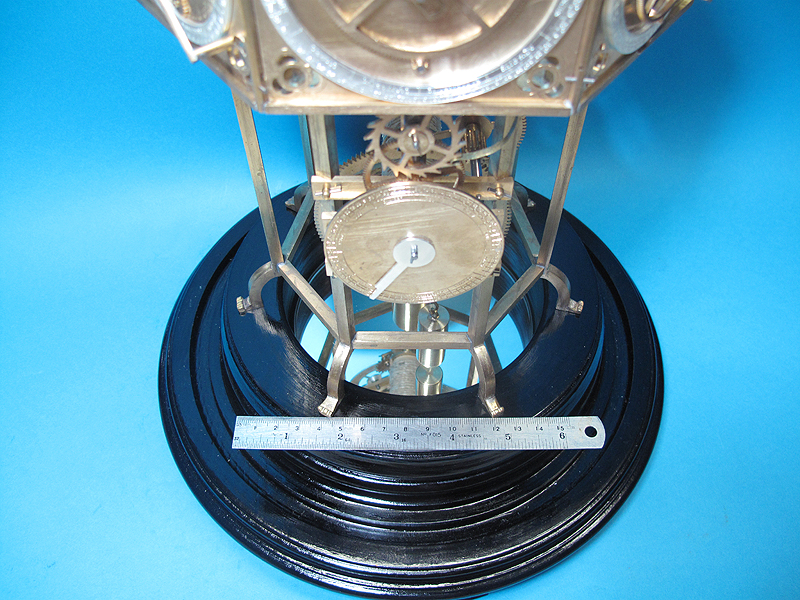
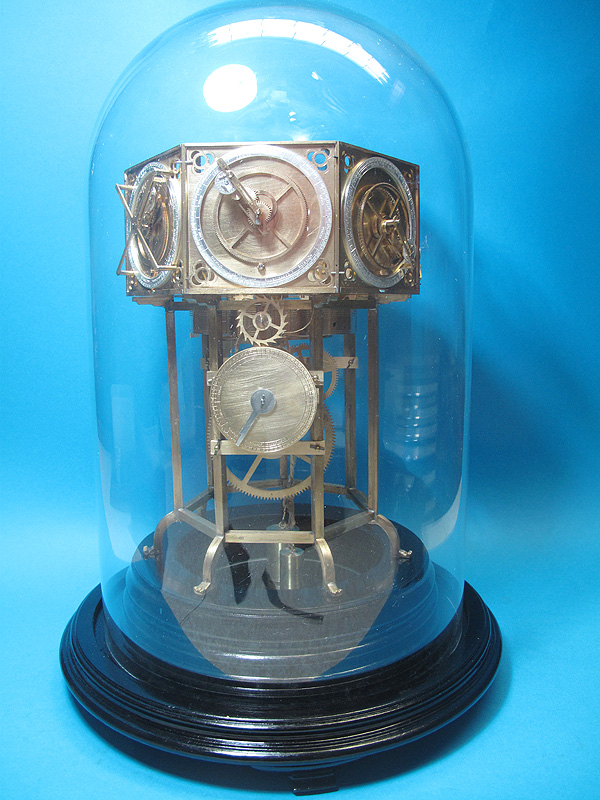
Top view of the Astrarium General view of the Astrarium Lower frame of the Astrarium

Below: the Primum Mobile

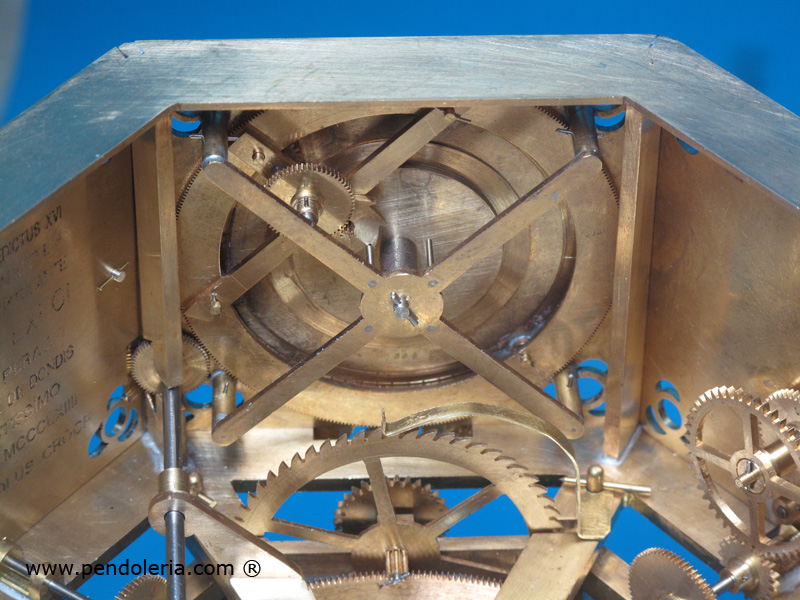
Inside view of the Primum Mobile The Primum Mobile dial Side view of the Primum Mobile

The seven dials

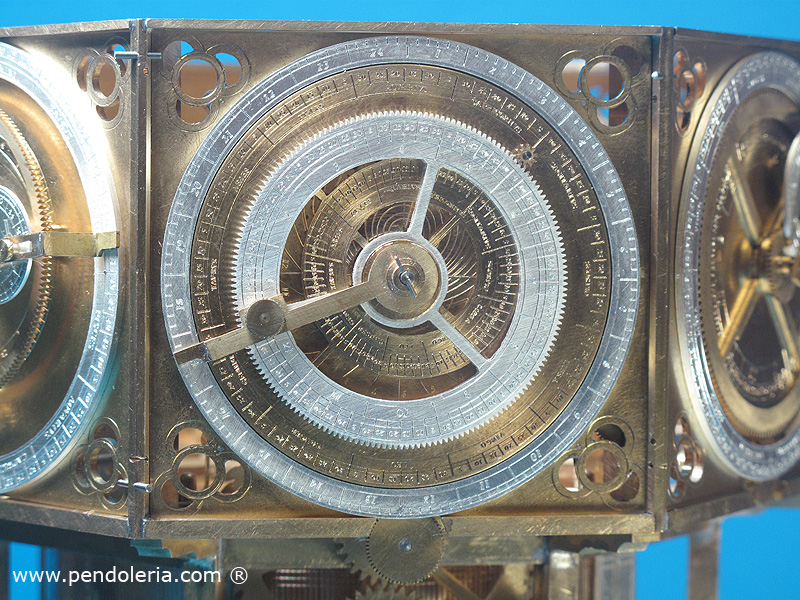
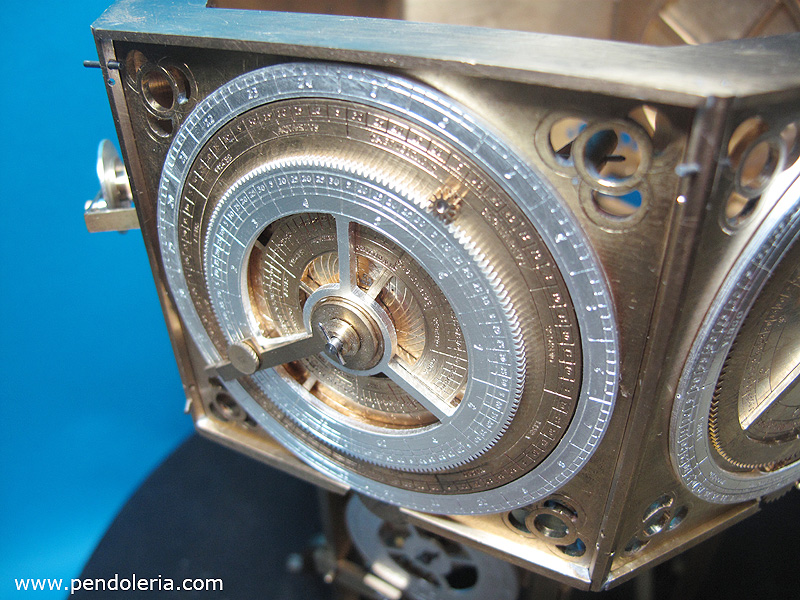
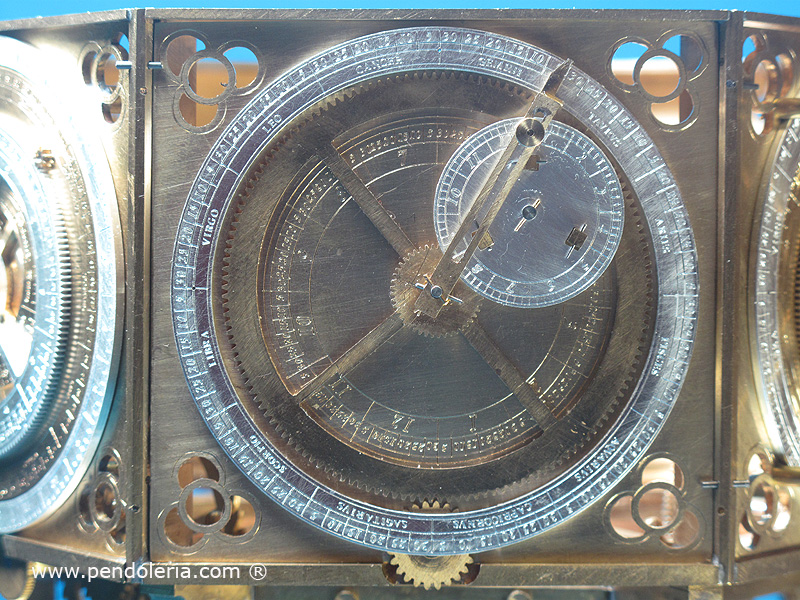
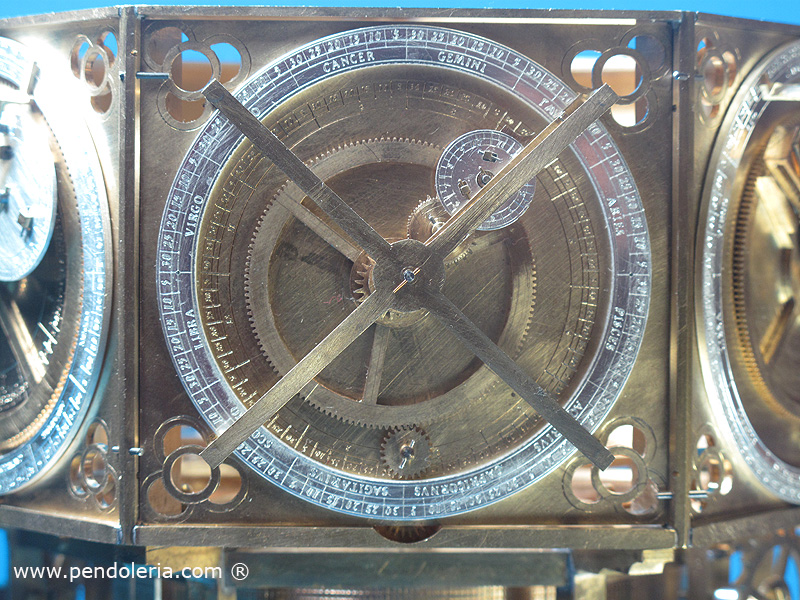
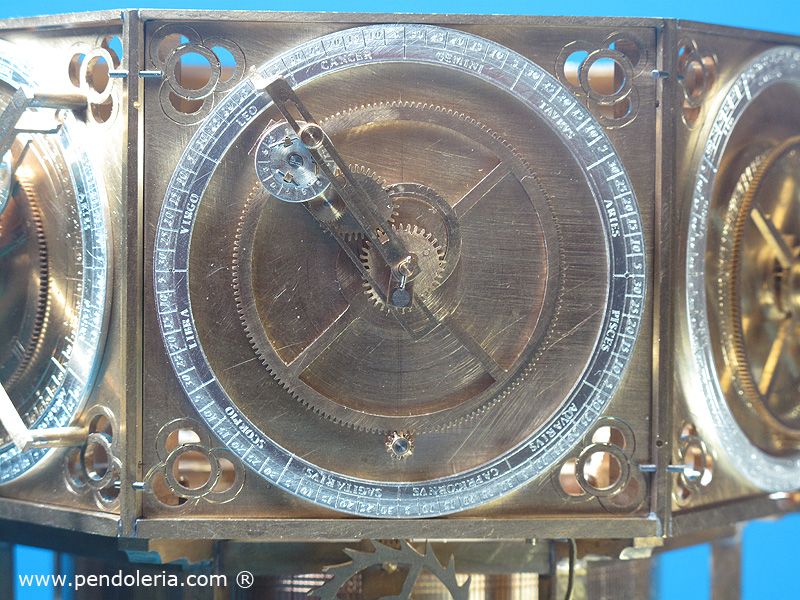
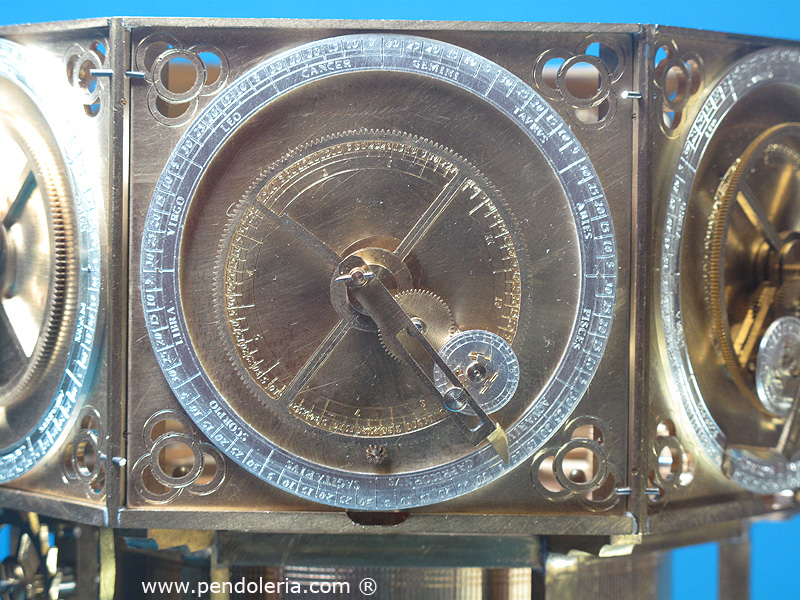
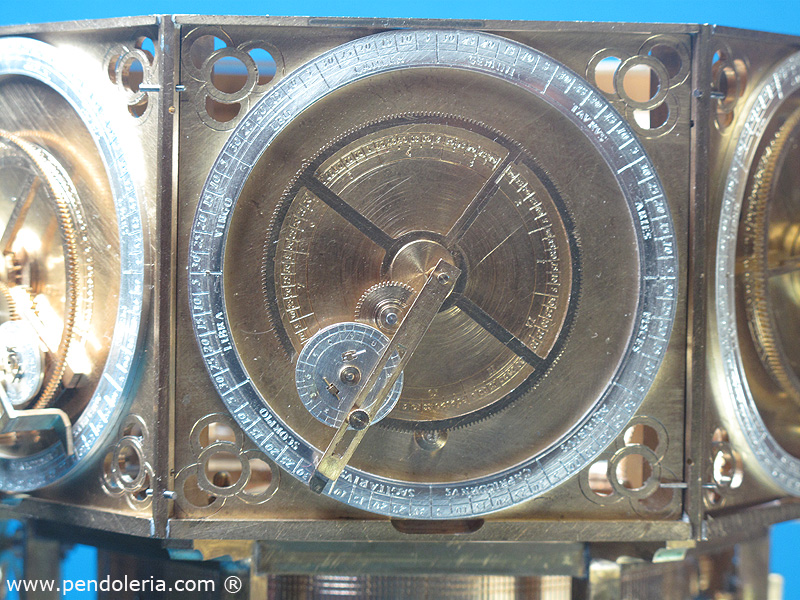
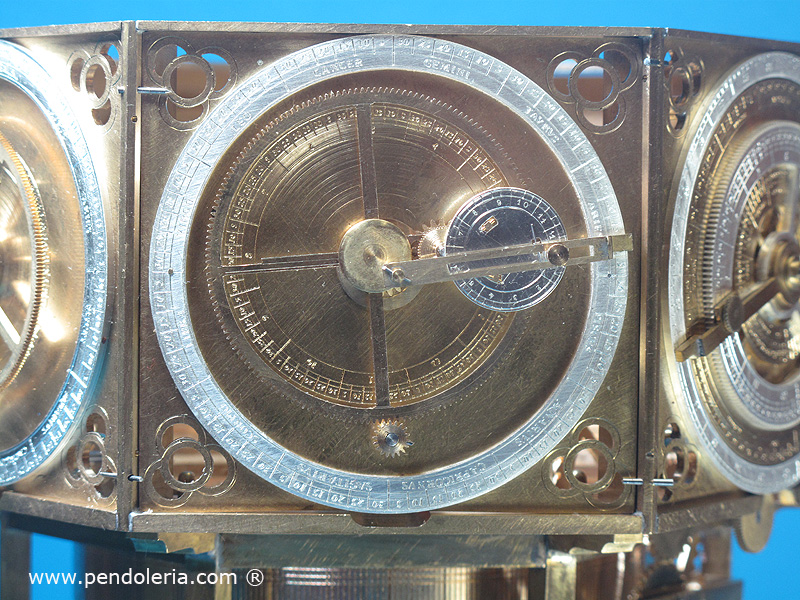
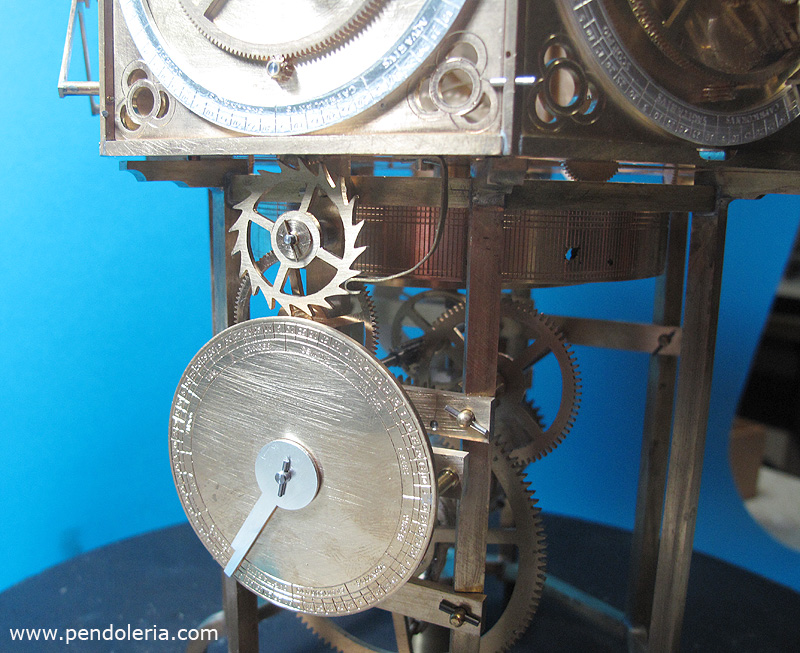
The Primum Mobile (the main dial) shows the hours in 24-hour format. At each complete turn, a large sawtooth wheel advances by one tooth, moving the calendar forward one day. The planetary dials show the positions of Venus, Mercury, the Moon, Saturn, Jupiter and Mars according to their orbital periods. The Moon dial uses pear-shaped gears to simulate the irregularity of the Moon's motion.

The Venus dial of the Astrarium
Venus
The Mercury dial of the Astrarium
Mercury
The Moon dial of the Astrarium (1)
Moon
The Moon dial of the Astrarium (2)
Moon
The Saturn dial of the Astrarium (1)
Saturn
The Saturn dial of the Astrarium (2)
Saturn
The Jupiter dial of the Astrarium (1)
Jupiter
The Jupiter dial of the Astrarium (2)
Jupiter
The Mars dial of the Astrarium (1)
Mars
The Mars dial of the Astrarium (2)
Mars
The dragon of the Astrarium
The dragon
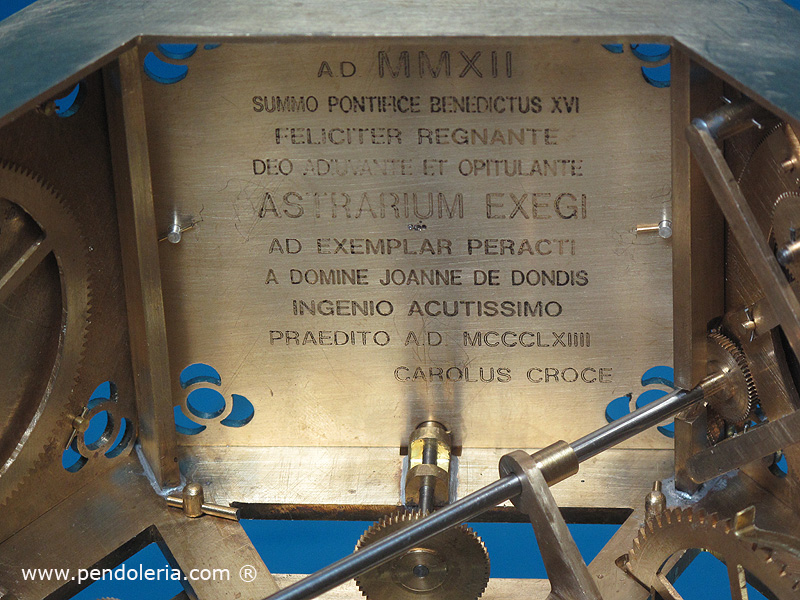
Inscription on the Astrarium
The inscription

An overview of all the dials

A view of the inside of the upper frame


To get an idea of the size of my 1/4 scale replica of the Astrarium, compare it with my hand.

You can see how, at each turn of the hour dial (24 hours), the large sawtooth wheel advances by the amount that will move the year wheel (not yet visible) forward by one tooth, equal to one day.

If you are interested in an account of the various stages of the construction of my 1/4 scale Astrarium, I invite you to visit the relevant page of my forum (in Italian).
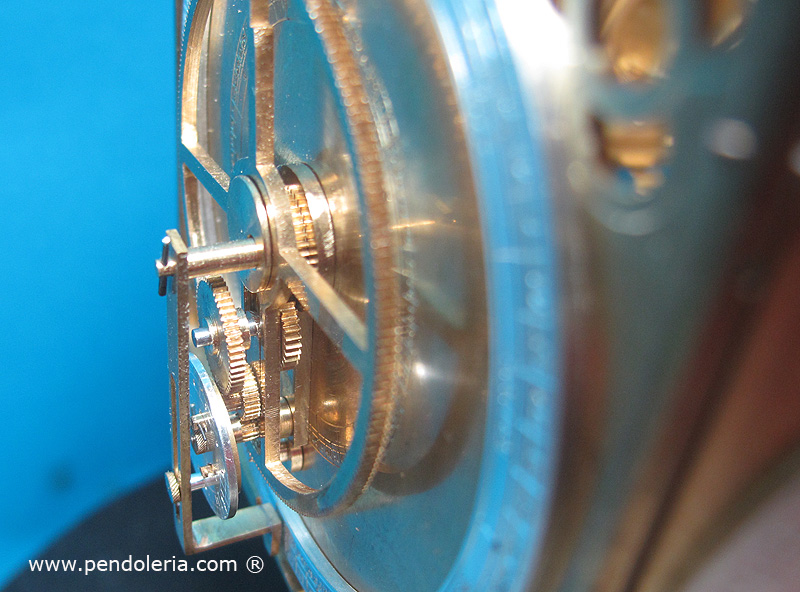
Below: tests of the gears that make up the Primum Mobile.

Note how the 4-tooth sawtooth wheel works: each tooth rests against a small pin, which lets the wheel turn and so drives other gears.

Below: running tests of the planet Venus

Meshing tests of the pear-shaped wheels that make up the Moon dial


Below: ALL the videos made during the construction of this astrarium

all my clocks

Reproduction of part or all of the contents of any of the pages of this site is prohibited except to the extent permitted below.
These pages may be downloaded onto a hard disk or printed for your personal use without alterations. This copyright notice and the source must appear on each copy. These pages may not be included in any other work or publication, or be distributed or copied for any commercial purpose except with the explicit permission of the author.